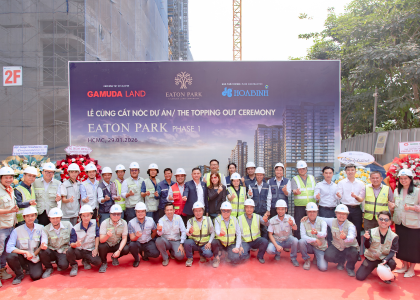
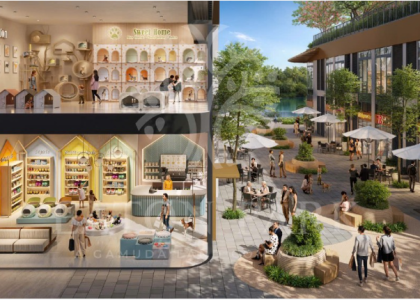
Eaton Park is a noteworthy choice as Ho Chi Minh City enters a cycle of public infrastructure upgrades, particularly with Metro Line 2 (Ben Thanh – Tham Luong). With this project, the greatest advantage is the ability to “revalue” based on infrastructure as commuting habits shift from private vehicles to public transport. As metro lines gradually become the “backbone” of mobility, real estate with convenient connectivity to the station network is often rated higher by the market due to time savings, increased rental demand, and improved liquidity.
Why does Eaton Park benefit from the formation of Metro Line 2?
Metro Line 2 is designed as a crucial relief route for the Cach Mang Thang Tam – Truong Chinh axes, while simultaneously laying the foundation for multi-centric urban development. Key specifications of Phase 1 show that this infrastructure will have a strong impact on commuting behavior and residents' choice of residence:
-
Phase 1 Length: 11.3 km (9.3 km underground, 2 km elevated)
-
Station System: 10 underground stations, 1 elevated station, plus 1 depot
-
Technology: European standards, highest automation level GoA4
-
Capacity: Initially approx. 14,000 passengers/hour/direction, expandable to >40,000 passengers/hour/direction upon completion
-
Urban Goals: By 2030 metro to meet 20–30% of travel demand; by 2045 reaching 50–60%
This context makes the project a prominent choice among products focused on connectivity and sustainable exploitation potential.
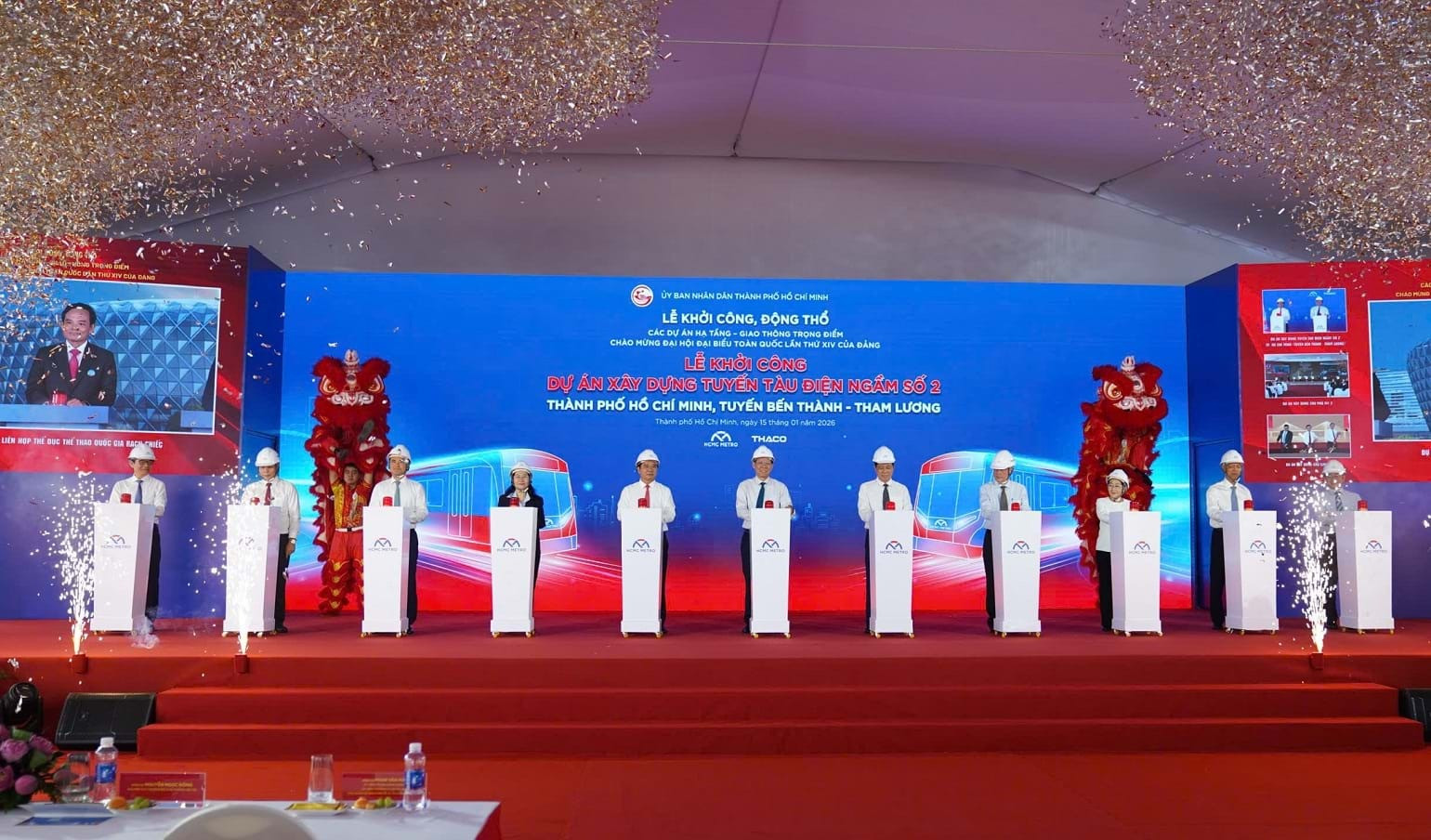
From the data above, three clear mechanisms for real estate value appreciation created by the metro line can be seen:
-
Reduction of daily "time-cost"
Commuting time is a part of the "living cost" (time-cost). As the metro network develops, buyers and renters tend to prioritize housing that ensures stable travel with less dependence on traffic jams. This factor often reflects directly in price levels and absorption rates—and is why Eaton Park is gaining attention in "anticipatory infrastructure" discussions. -
Creating sustainable rental demand
Lines with high capacity and automated operation (GoA4) usually offer high frequency and a stable experience. This increases the attractiveness of areas near the line for tenants such as commuters, experts, and families needing a reliable schedule. When the product is optimized for rent, Eaton Park's yields can improve over time. -
Activating the service and commercial ecosystem
Stations and metro corridors often trigger the development of retail, satellite offices, and services—creating more jobs and housing demand. As the city shifts toward a multi-centric model, high-quality residential areas at connection points gain higher "scarcity" value.
Metro Line 2 and the value pull for Eaton Park
In the context where Metro Line 2 is identified as a line to reduce pressure on Cach Mang Thang Tam – Truong Chinh and promote a multi-centric city, investors typically seek projects that meet two criteria: (1) a location with flexible connectivity to utility hubs and (2) a quality of life good enough to retain residents long-term. Eaton Park fits this logic thanks to its "living to enjoy" approach while still targeting liquidity: products that are easy to rent and easy to resell when the market prioritizes projects anticipating infrastructure.
To leverage infrastructure momentum, buyers should also pay attention to "real value increase" factors rather than just relying on news expectations:
-
Operational design: lobby, elevators, parking, security—reducing friction in daily life and increasing value retention.
-
Internal amenities: greenery, swimming pools, workspaces—increasing rental competitiveness.
-
Legal status & progress: the clearer they are, the easier it is to get loans or transfer ownership.
From an investment perspective, a clear exploitation plan (interior, operational management, rental price strategy) will help Eaton Park maintain better cash flow momentum in all market phases. From a homeowner's perspective, residents also benefit from quality of life and "predictable" mobility, making the purchase decision easier in a context where ownership costs are increasingly scrutinized.
Eaton Park Investment Strategy in the 2030–2045 Infrastructure Cycle
The goal for the metro to meet 20–30% of travel demand by 2030 and 50–60% by 2045 shows that HCMC is moving toward changing its urban transport structure. In this cycle, effective strategies usually include:
-
Medium-term holding to benefit from the revaluation phase when commuting habits shift more clearly toward the metro.
-
Optimizing rental products (interior, layout, handover standards) to accelerate occupancy rates.
-
Prioritizing liquidity: choosing units with area/value suitable for market standards for easier transactions.
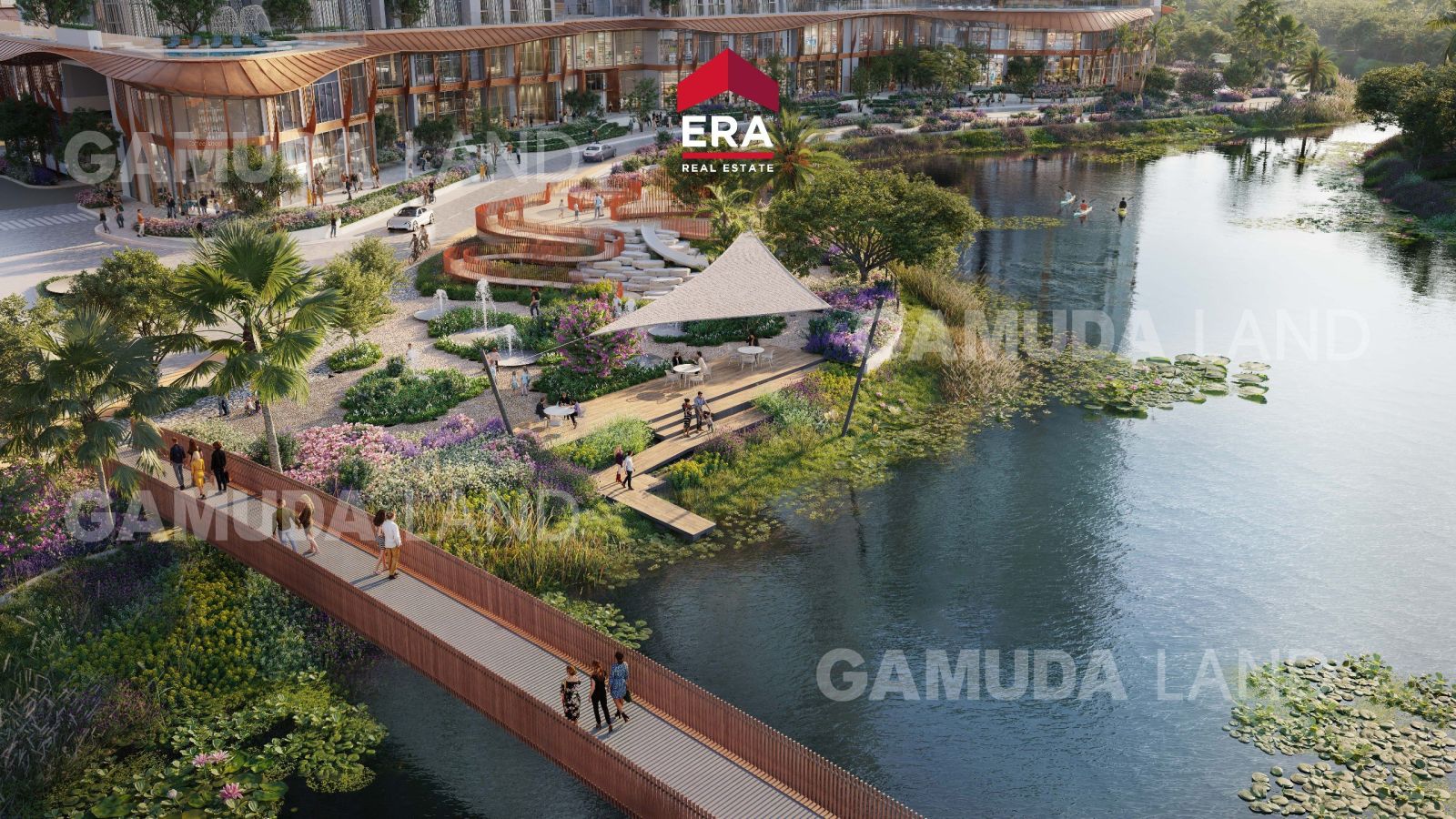
With these criteria, Eaton Park becomes a "balanced" option between real living needs and investment exploitation: it can be effectively rented out in the initial phase while expanding the margin for price appreciation as the multi-centric city takes clearer shape. If the goal is asset accumulation following the infrastructure cycle, the project fits the strategy of “holding a good position – exploiting cash flow – waiting for revaluation.”
If the metro is considered strategic infrastructure that changes the way people move, then real estate value will gradually shift toward places with good connectivity and high quality of life. Eaton Park is a project worth watching as Metro Line 2 is expected to relieve major roads, enhance transport capacity, and guide the city toward its 2030–2045 public transport goals.
NGO TRUNG HIEU – LEAD CONSULTANT
📍 22–24 Street No. 5, Sala Urban Area, HCMC
📞 Call now: 0837 977 978