


The Ho Chi Minh City real estate market is entering a phase of strong differentiation and screening, more intense than in previous cycles. While cash flow previously spread widely from the city center to suburban areas, from apartments to land plots, and from real-demand products to speculative assets, the market has now become much more realistic. In the latest Market News picture, the three factors exerting the strongest influence on buying and selling decisions are interest rates, cash flow, and investor sentiment.
These three factors act like a "three-legged stool" for the market. When interest rates continue to apply pressure, cash flow becomes highly selective, and investor sentiment shifts toward defense, the market no longer operates on a "rising tide lifts all boats" basis. Instead, only products with clear legal status, actual construction progress, prime locations, and cash-flow generation capabilities can maintain their appeal.
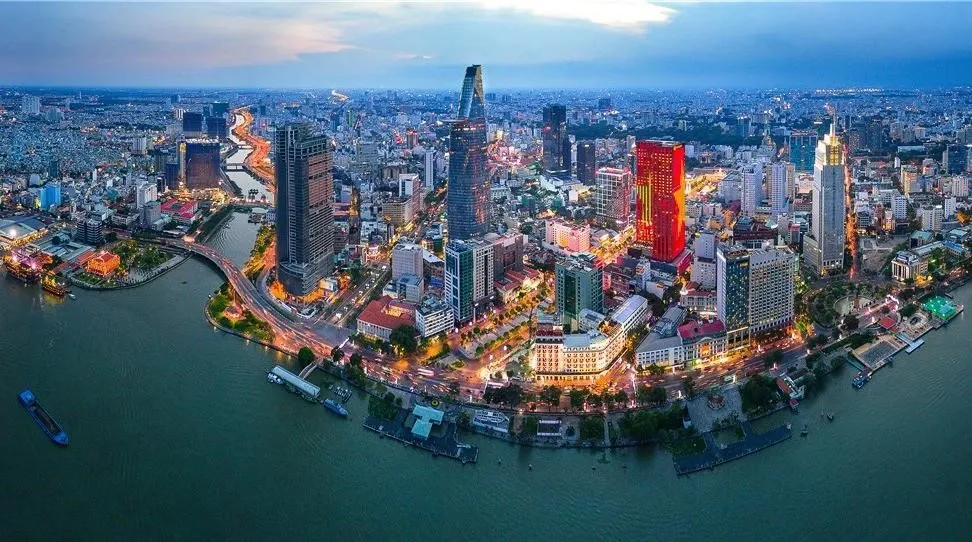
Market News: Interest Rates Remain a Major Source of Pressure
In the current period, home loan interest rates remain one of the factors directly impacting the purchasing power of the Ho Chi Minh City real estate market. Although many banks offer attractive promotional interest rate packages in the first year, the post-promotional rates are still a matter that buyers must carefully weigh.
In reality, homebuyers do not just look at the initial interest rate; they care much more about the floating interest rate after the incentive period ends. When floating interest rates create substantial debt repayment pressure, investors utilizing high financial leverage will face major difficulties. This sharply reduces the demand for short-term flipping, which used to be a major driving force of the market during hot fever periods.
Interest rate pressure has also shifted buyers from a "buy quickly so as not to miss out on opportunities" mindset to a state of more calculated evaluation. They are starting to compare capital costs with appreciation potential, rental capabilities, and the legal safety of each project. This is why products that rely solely on future appreciation expectations are losing their grip.
Ho Chi Minh City Real Estate Cash Flow Shifts from Speculation to Real Value
A notable point in Ho Chi Minh City Real Estate Market News is that cash flow has not completely disappeared, but is shifting very clearly toward real-value products. Instead of pouring into areas far from the center or highly speculative products, cash flow now prioritizes assets that can be occupied, operated, or generate cash flow immediately.
Segments such as suburban land plots, high-priced townhouses, or villas have slower liquidity because they require a large amount of capital and depend heavily on appreciation expectations. Meanwhile, condominiums in areas with good population density, complete amenities, and stable rental demand are becoming the highlights of the market.
This reflects a change in investment appetite. Investors no longer just ask, "Will this product increase in price?" but also ask, "Can this product be rented out?", "Does the monthly cash flow support the loan interest?", and "If I need to resell, is the liquidity good?". These questions show that the market is becoming more mature and pragmatic.
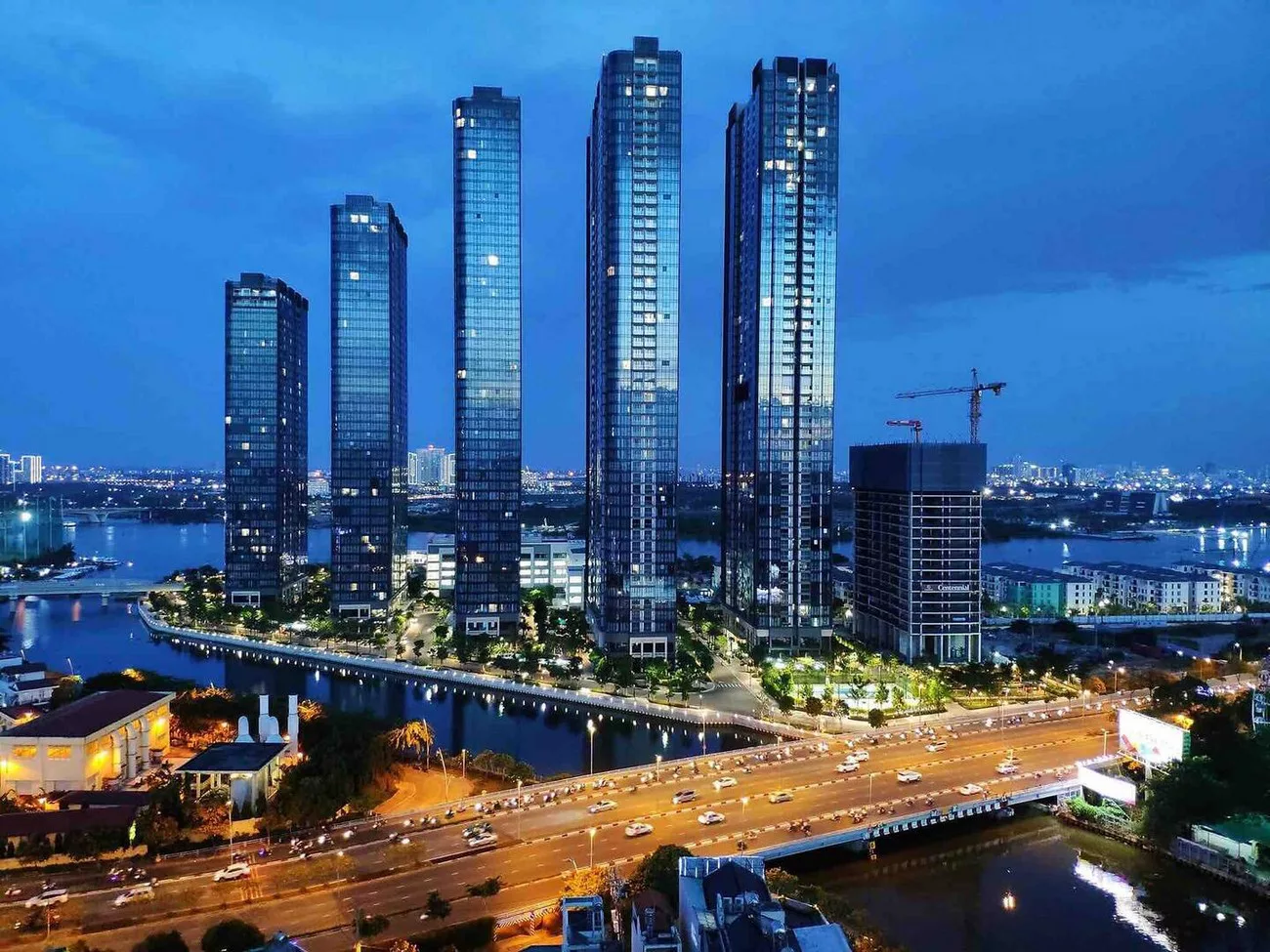
Condominiums Become the Pillar Segment
Amidst ongoing interest rate pressure and a cautious market sentiment, condominiums continue to be the segment best capable of maintaining momentum compared to many other property types. The main reason stems from the fact that real housing demand in Ho Chi Minh City remains massive, while the appropriate supply is no longer abundant.
For home occupiers, apartments are a more practical choice because their total value is generally more accessible than townhouses or villas. For investors, apartments in densely populated areas with good infrastructure and full amenities can be leveraged for lease, creating a steady cash flow to ease financial pressure. This is a crucial factor in a period when buyers are no longer willing to easily accept risks.
Projects with completed legal procedures, clear construction progress, and reputable developers consistently attract more interest. In a filtering market, trust is the deciding factor. Buyers are willing to pay a higher price for a transparent product rather than choosing a cheaper one that carries legal risks or construction delays.
Investor Sentiment Shifts from FOMO to Selective Defense
A major shift in the Ho Chi Minh City real estate market today is that FOMO sentiment is almost no longer as strong as before. Investors no longer commit funds based solely on planning rumors, "sold out" pitches, or expectations of quick appreciation in the short term. Instead, they are more cautious, realistic, and spend more time verifying information.
Selective defensive sentiment is clearly reflected in how investors pay greater attention to legal status, progress, developer capability, rental potential, and price suitability. Products lacking transparent information or relying too heavily on future expectations are often eliminated from the priority list.
Although liquidity in some segments has slowed down, primary price levels in Ho Chi Minh City still tend to remain anchored high due to land costs, financial costs, legal costs, and supply pressure. This creates a tug-of-war between sellers and buyers. Developers with strong financial backing are reluctant to cut prices sharply, while buyers are no longer rushing to close deals as they used to.
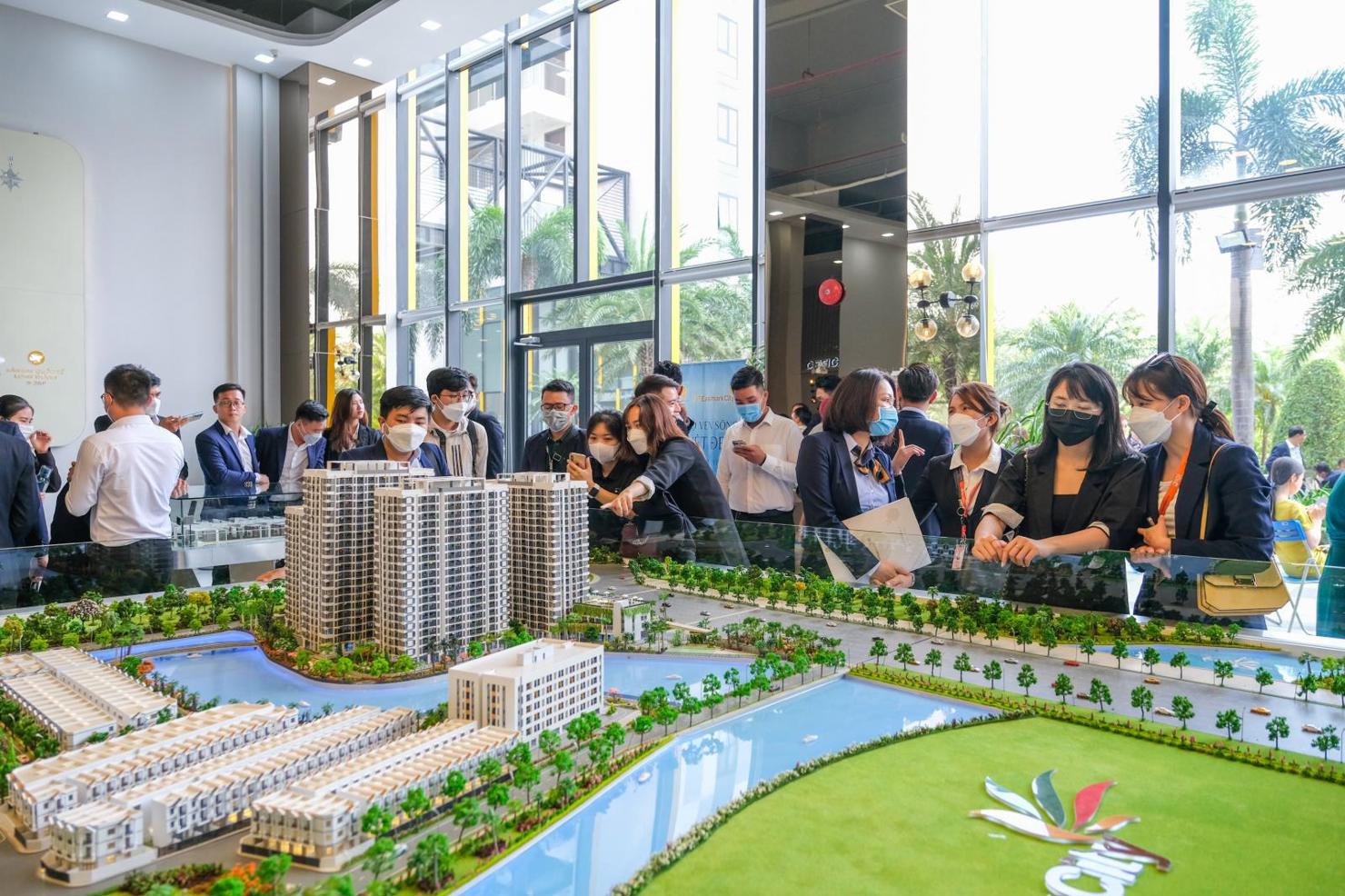
Legal Status and Progress Become the Ultimate Criteria
In today's Market News landscape, legal status and progress are becoming the top two key factors. If in the past buyers were willing to take risks in exchange for high profit expectations, their risk tolerance has now dropped significantly.
A project with a transparent sales license, clear legal standing, actual construction progress, and publicly disclosed information is much more likely to attract cash flow. This is why projects developed by reputable builders with a proven track record and the ability to deliver on commitments are gaining the upper hand.
Conversely, projects with unverified legal status, slow implementation, or those sold purely on planning expectations will face much greater difficulties. Today's market does not lack buyers, but it lacks trust. Therefore, whichever product solves the trust equation will hold a major competitive edge.
Immediate Cash-Flow Generating Products are Prioritized
Another distinct trend is that buyers prioritize products that can generate cash flow immediately or within a short timeframe. With handed-over or soon-to-be-handed-over apartments, buyers can instantly exploit rental opportunities to generate monthly income. This cash flow not only helps offset loan interest pressures but also increases the safety margin of the investment.
With floating interest rates remaining a concern, rental capability becomes a vital criterion. An apartment with a prime location, close to employment hubs, schools, hospitals, commercial centers, or major transit routes holds a clear advantage in securing tenants.
This is also the reason why areas with existing residential communities, complete amenities, and real rental demand will continue to attract attention. Investors no longer just look at the future appreciation story; they care much more about the asset's current utility efficiency.
Opportunities Belong to Investors with Real Cash Flow
The market's screening phase is also the time when opportunities belong to investors with real cash flow who rely minimally on bank leverage. When overall market liquidity is no longer overheated, the group of investors with ready cash will hold a better negotiating position.
They can select more carefully, negotiate better terms, and acquire strategically located assets at more reasonable prices compared to the market's booming phase. This is an advantage that highly leveraged investors can hardly match, as interest rate pressures often force them to make quick decisions and absorb greater risks.
However, having cash does not mean buying just any product will yield a profit. In the current phase, the core principle remains choosing real-value assets: prime locations, clear legal standing, actual usage demand, and future liquidity potential.
Action Roadmap for the Ho Chi Minh City Real Estate Market
From the three factors of interest rates, cash flow, and sentiment, it is clear that the Ho Chi Minh City real estate market is sending a loud message: only products of sufficient quality can make it through the screening phase.
For real occupiers, this is the time to prioritize projects with transparent legal status, complete amenities, convenient locations, and suitability with personal financial capacity. Carefully calculating debt repayment cash flow, post-promotional interest rates, and operational costs is a must before making a deposit.
For investors, the appropriate strategy is no longer short-term flipping, but holding real-value assets with cash-flow or appreciation potential for the medium to long term. Mid-to-high-end apartment products in areas with good rental demand, synchronized infrastructure, and clear legal status will continue to be a noteworthy group.
For brokerage and distribution agencies, the approach to clients must also adapt. Instead of merely emphasizing appreciation potential, they need to focus more on hard data: legal status, progress, rental yield, financial costs, amenities, residential community, and asset exploitation potential.
Conclusion: Market News Shows Ho Chi Minh City Real Estate is Entering a More Substance-Driven Cycle
Current Ho Chi Minh City Real Estate Market News indicates a significant transition phase. Interest rates make buyers more cautious, cash flow becomes more selective, and investor sentiment shifts from FOMO to calculated defense. This is not a sign of the market losing its attractiveness, but rather a purification process to eliminate products lacking a solid foundation.
In the new cycle, Ho Chi Minh City real estate will not increase evenly across all segments. Products with clear legal status, real progress, good locations, and cash-flow capabilities will continue to thrive. Conversely, assets relying on rumors, short-term expectations, or excessive leverage will face heavier pressure.
The market is returning to its core values. Smart buyers will look beyond just the selling price; they will examine the usability, exploitability, value preservation, and liquidity of the asset. This is precisely the focal point of the Ho Chi Minh City real estate market in the current screening phase.
Consulting Information:
NGO TRUNG HIEU
22–24 Street No. 5, Sala Urban Area, HCMC
Call now: 0837 977 978


