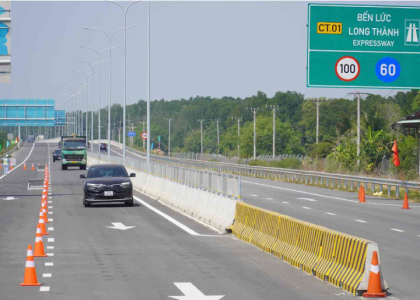
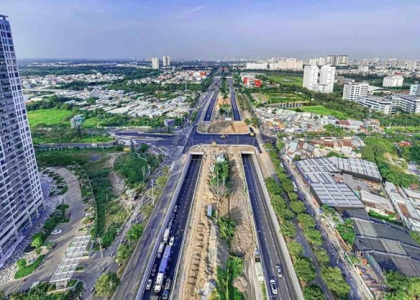
In the vibrant landscape of the Southern Ho Chi Minh City real estate market, GS Metrocity Nhà Bè has consistently drawn the attention of both genuine homebuyers and investors. However, amidst the flurry of promotional content, the key to a safe transaction lies in two critical words: Progress and Legal Status. This article will help you understand the GS Metrocity progress layer by layer, manage the legal dossier in a step-by-step manner, and know exactly what to ask when visiting the site—so you don't "buy in the dark."

Why Are Progress & Legal Status Often "Blind Spots"?
Large-scale urban projects are rolled out in multiple phases, divided into sub-zones, each with a different construction pace. Sales channels often provide quick updates and beautiful images but rarely include original documents: acceptance certificates, building permits, or planning decisions. Consequently, buyers easily “look at the landscaping and forget the paperwork,” confusing completed amenities with those that have been accepted and are operational. The solution is clear: verify the current status visually, but confirm it with stamped official documents.
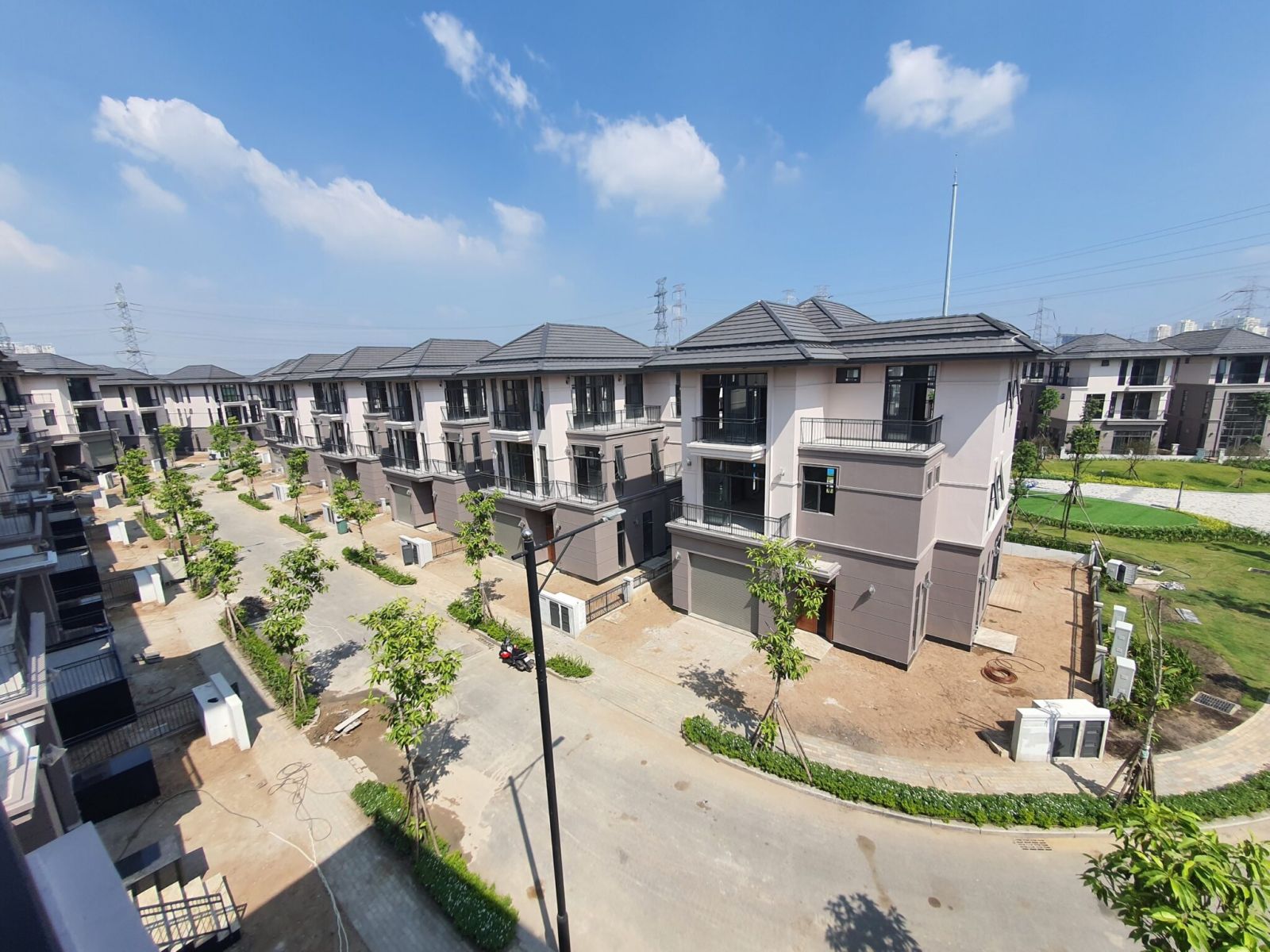
Three Tiers for Reading GS Metrocity Progress (Clear – Fast – Correct)
(1) Regional Core Infrastructure
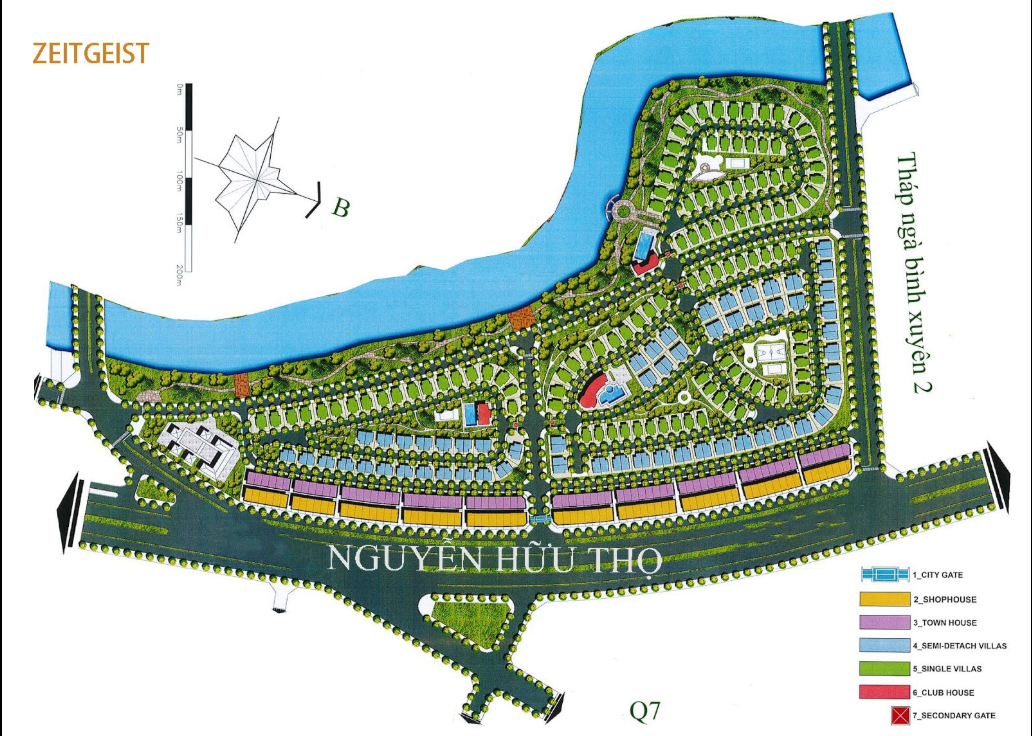
(1) Regional Core Infrastructure: Main roads, water supply and drainage, electricity, telecommunications, fire prevention and fighting (PCCC). Ask: which items have been fully accepted, and which are pending? Are there minutes for load testing, pressure testing, and operation during heavy rain? Core infrastructure is the “backbone” that ensures the sub-zone is viable, not just a beautiful road surface.
(2) Internal Infrastructure – Amenities within Each Sub-zone
(2) Internal Infrastructure – Amenities within Each Sub-zone: Parks, clubhouses, schools, internal routes, sidewalks, lighting. “Completed landscaping” is entirely different from “accepted – with an operating unit.” For amenities, request the handover scope, operating standards, opening time for residents, and usage regulations (fees, time, function limits).
(3) The Product You Will Buy
(3) The Product You Will Buy (townhouse, villa, shophouse): Requires a detailed construction schedule, handover standards, and the right to survey the current status. If handover is imminent, request to see the list of defects (if any), correction deadline, PCCC acceptance certificate, waterproofing dossier, and acceptance of the water and electrical systems. For shophouses, additionally check the floor load capacity, escape routes, and signage regulations.

The Required Legal Chain: From Planning to Title Deed
To avoid ambiguity, stick to the legal chain in order:
- Regional 1/2000 Planning: The overall picture of land function and infrastructure connectivity.
- Detailed 1/500 Planning for the sub-zone you are buying: Construction density, boundaries, setbacks, and height limitations.
- Building Permit (GPXD) for the block/unit: Scope, structure, height, main materials.
- Infrastructure Acceptance Minutes and Completed Construction Acceptance Minutes.
- Handover → Completion Certification (Hoàn công) → Issuance of Certificate (title deed/sổ) for each unit.
The golden rule: 1/2000 does not replace 1/500, 1/500 does not replace the Building Permit, and the Building Permit does not replace acceptance and completion certification. Every link in the chain must have the document number, signing date, and a stamped copy. Do not hesitate to request verification of the drawings with appraisal stamps (if available) and cross-reference them with the actual site.
Asking Price ≠ Final Price, and Definitely ≠ Legal Maturity
The secondary market often features a wide range of asking prices. However, the “posted price” in an advertisement is not the “final price,” and it certainly does not reflect the legal maturity. A unit that has received completion certification, is close to title issuance, and is located in a sub-zone with stable operating amenities, generally holds its value better than a unit that is “waiting for paperwork.” Therefore, during negotiation, prepare a three-column table: (1) asking price, (2) legal status, (3) amenity completion & operation level. The more complete Column (2) is, the lower the risk, and the reasonable discount margin will narrow.
Negotiation Guide: Three-Column Table
| (1) Asking Price | (2) Legal Status | (3) Completion & Amenities Level |
|---|---|---|
| Listed/Advertised Price | Cross-reference original documents: Building Permit, Acceptance, Completion, Title Deed Status. | Actual construction status and operation of internal amenities (Clubhouse, park...). |
“Hands-on” Question Set When Visiting the House
- Which sub-zone does the unit belong to? Show the 1/500 drawing.
- What is the Building Permit (GPXD) number for the block/unit, the date, and the scope?
- Are the Infrastructure Acceptance and PCCC Acceptance minutes available?
- What items are listed in the Handover Minutes; is there a list of defects with a correction deadline?
- How far along is the Completion Certification (Hoàn công); the estimated time for title issuance?
- Management fees, operating regulations; for shophouses: signage, operating hours, floor load capacity.
- Is there a drainage system, flood warning, and construction insurance?
“Buy Without Blindness” Checklist (Save – Print – Tick)
-
1/2000 Planning + 1/500 sub-zone (stamped copy).
-
Building Permit (GPXD) for the correct block/unit + accompanying drawings.
-
Acceptance Minutes for infrastructure, PCCC, and completed construction.
-
Contract, addendum, payment schedule, penalty clauses, warranty.
-
Handover Minutes, completion certification dossier, title issuance status.
-
Table comparing asking price – legal status – completion to guide negotiation.
In conclusion, for GS Metrocity Nhà Bè, knowing how to read the GS Metrocity progress across three tiers and adhering to the correct legal chain will help you truly control the risks. Beautiful photos inspire, but the official stamp creates value. When the dossier is clear, negotiations will be smooth; when it is vague, it's best to smile and move on—the market always favors those who know how to verify.
Ngo Trung Hieu – Senior Consultant
📱 Hotline/Zalo: 0837977978
🌐 Website: batdongsanhochiminh.com.vn
📍 Consulting Office: 22 - 24 Street No. 5, Sala Urban Area, Mai Chi Tho, An Khanh Ward, TPHCM